Project Nautilus
The Nautilus Array — A Galactic Search for Life
What is the Nautilus Array?
The Nautilus Space Observatory is a proposed constellation of lightweight space telescopes designed to survey thousands of exoplanets in the habitable zone for biosignatures. It represents a fundamentally different approach to building large-aperture space telescopes.
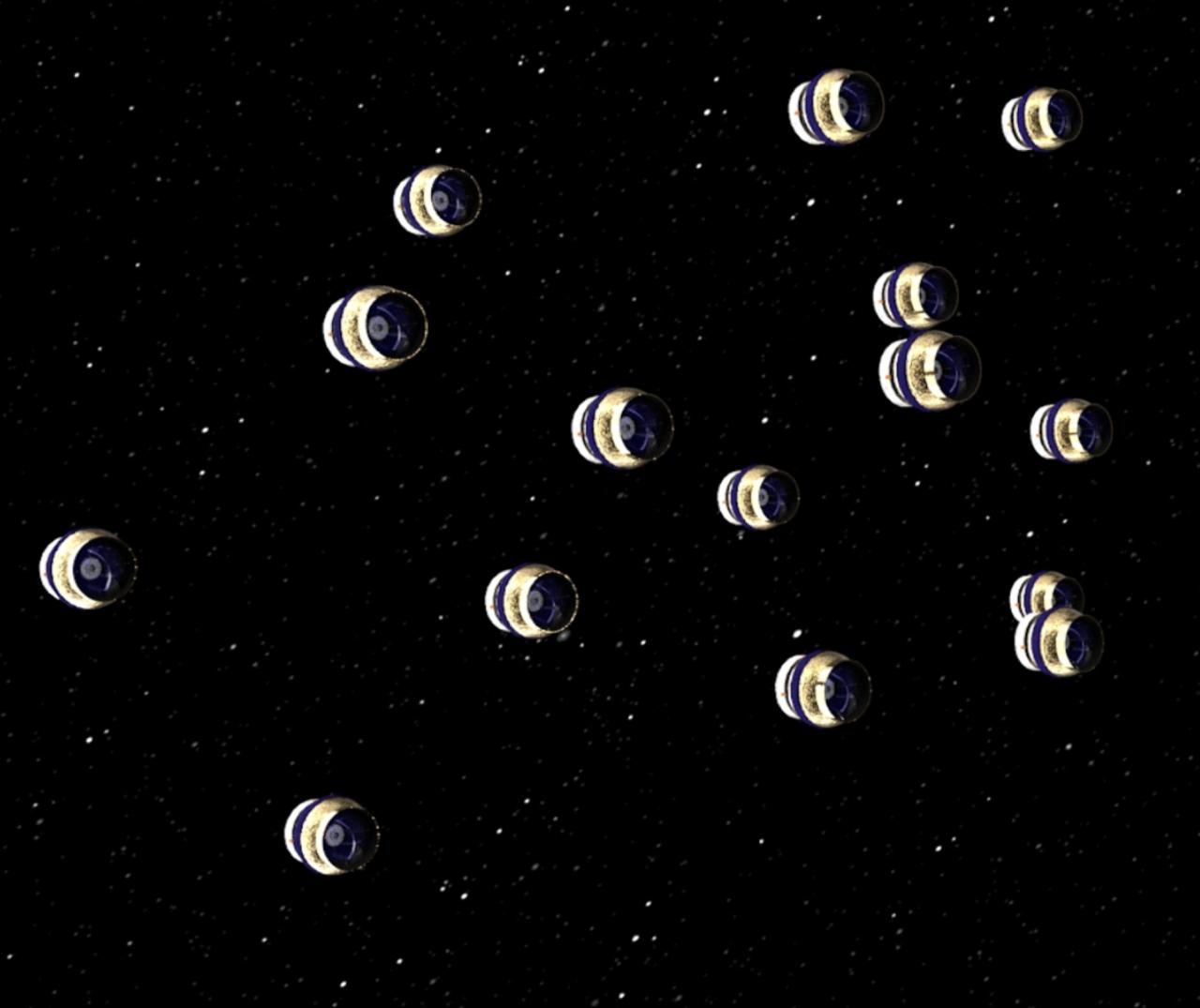
Concept rendering of the Nautilus Array — a constellation of lightweight space telescopes working in formation
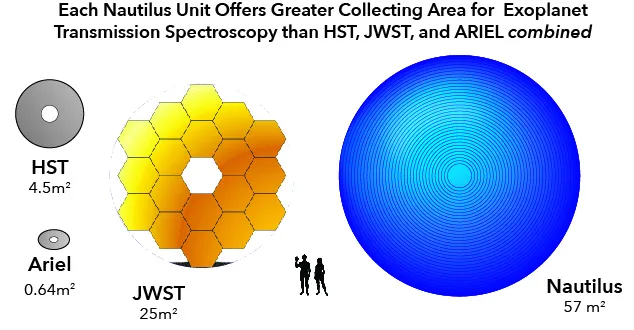
Each Nautilus unit offers 57m² of collecting area — more than HST, JWST, and ARIEL combined
The array approach is key: rather than building one enormous telescope, Nautilus deploys many smaller telescopes that work together to achieve the collecting area of a single massive instrument, at a fraction of the weight and cost.
At the heart of Nautilus is a revolutionary technology: Multi-Order Diffractive Engineered (MODE) lenses. Unlike traditional glass mirrors used in conventional telescopes, MODE lenses are thin, lightweight diffractive optical elements that can be manufactured at scale. The MODE lens was invented and first fabricated right around the time I joined this project. It was a breakthrough that made the entire Nautilus concept feasible.
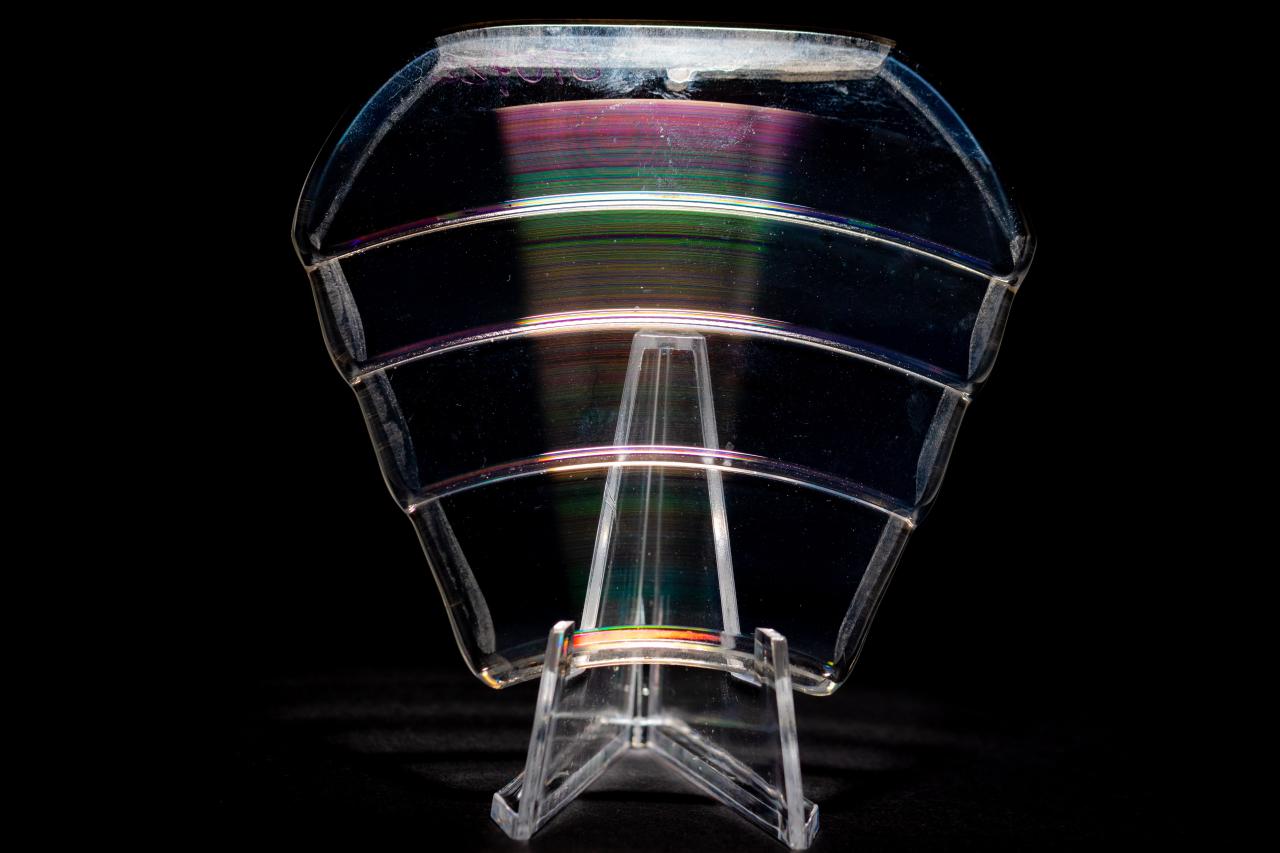
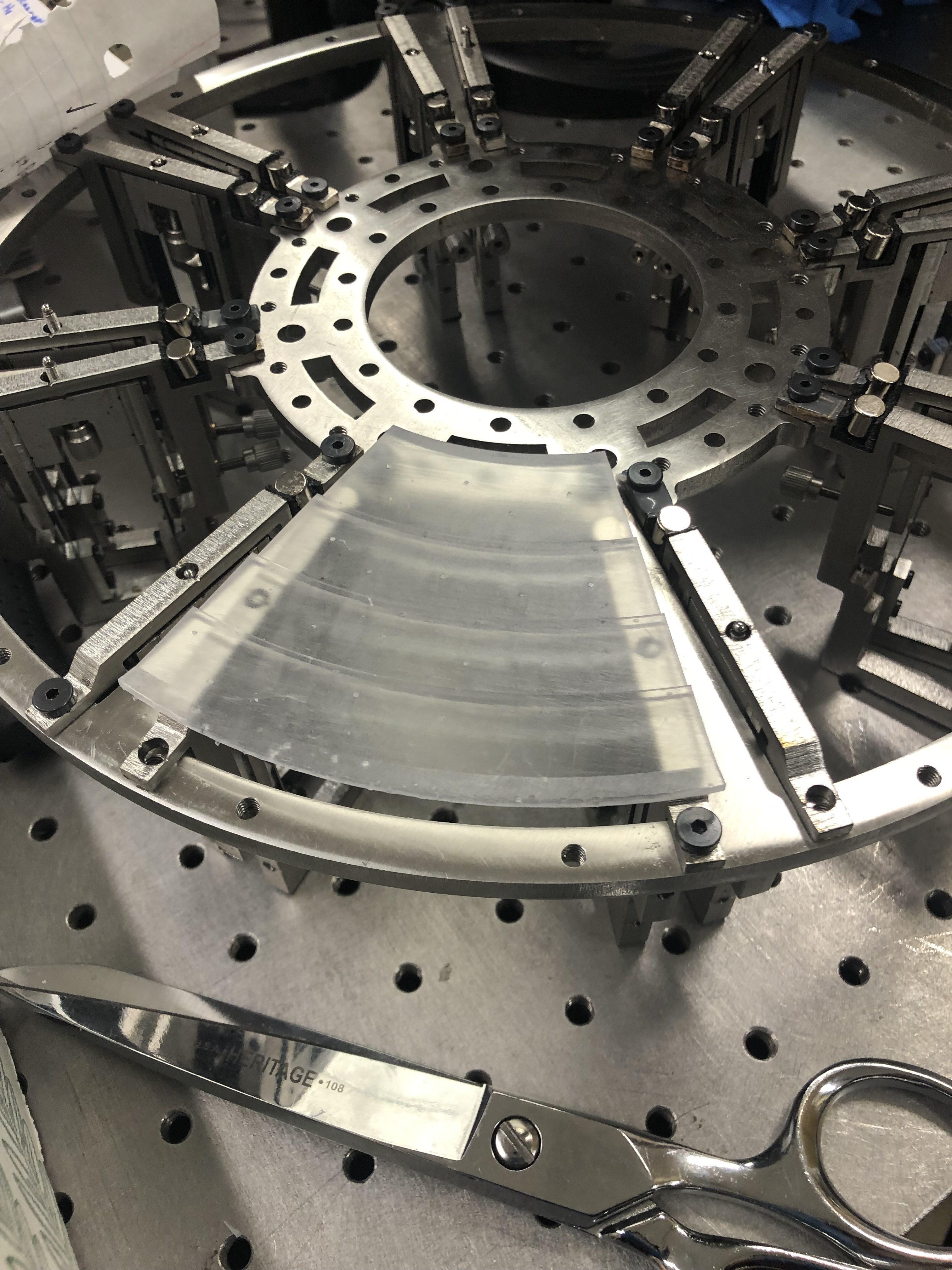
A MODE lens segment — the iridescent surface reveals the diffractive microstructure that replaces traditional glass mirrors
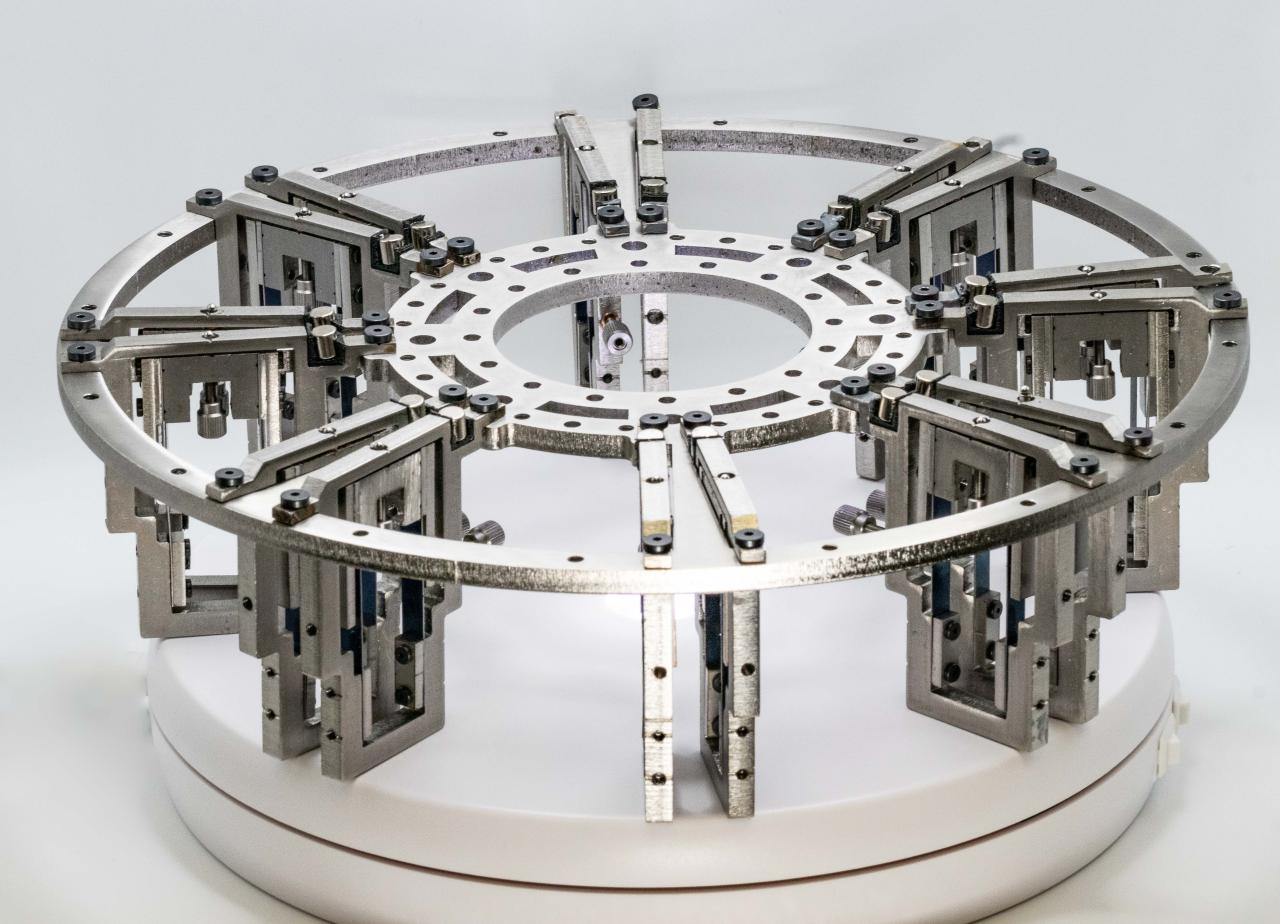
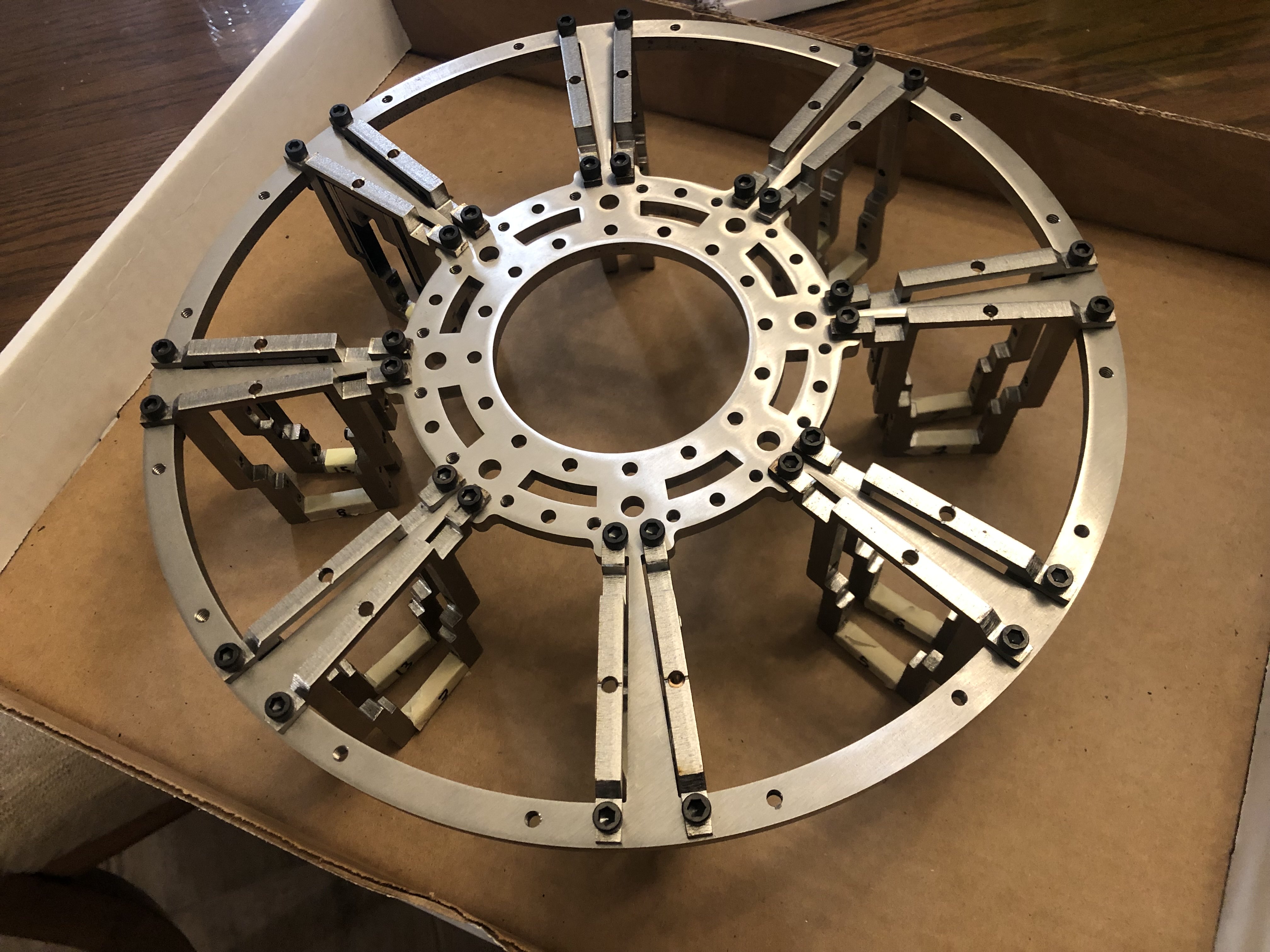
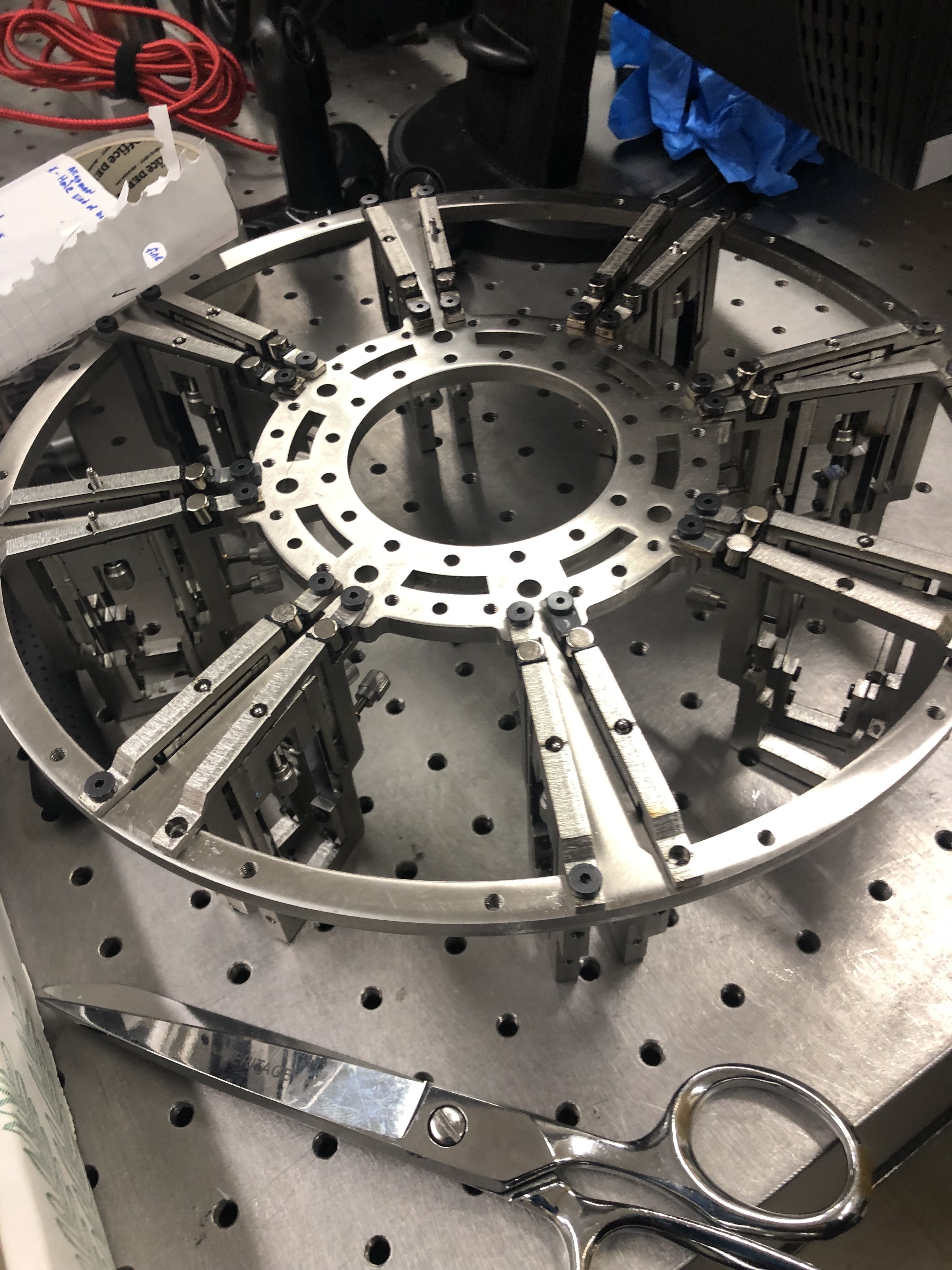
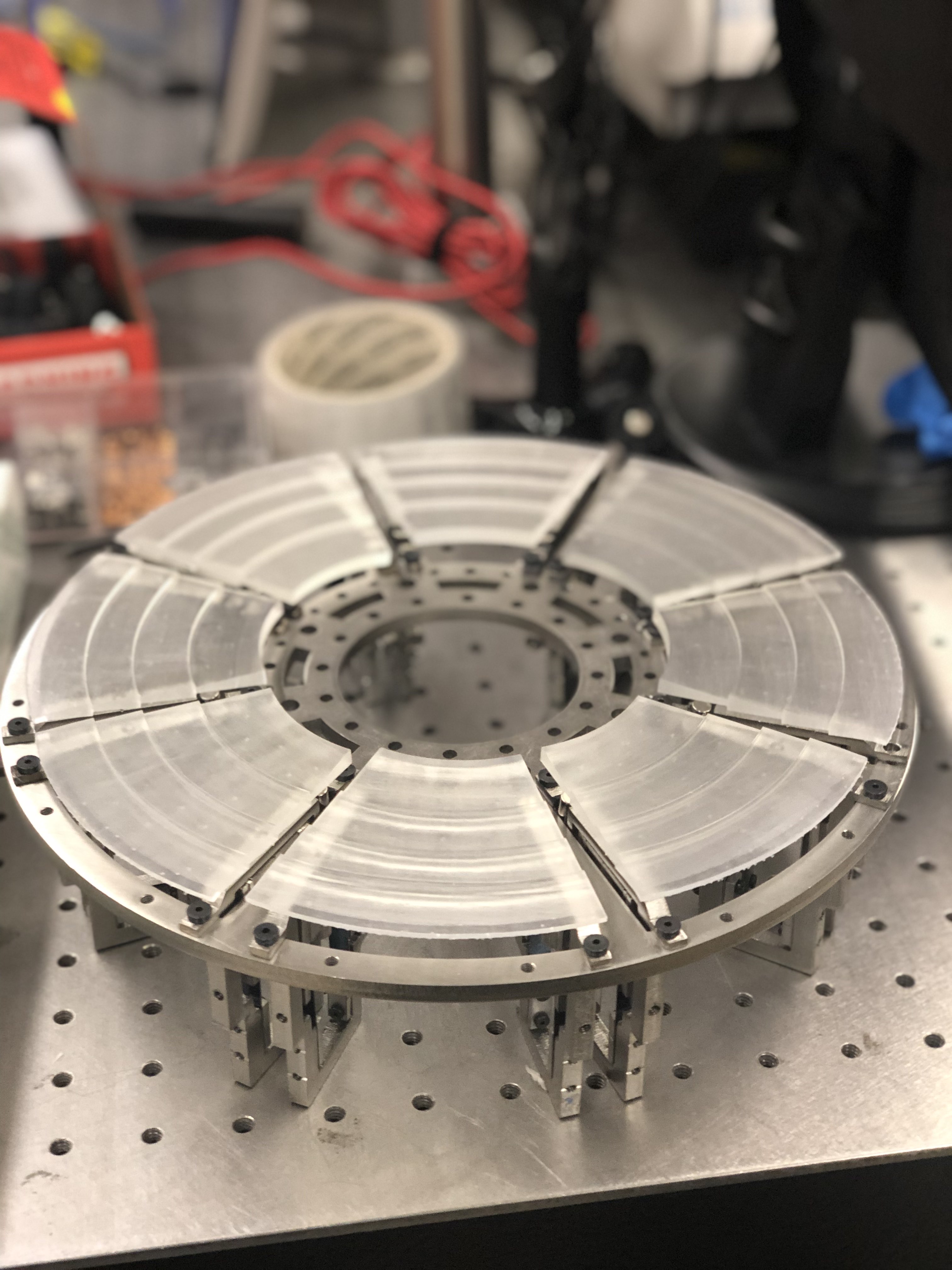
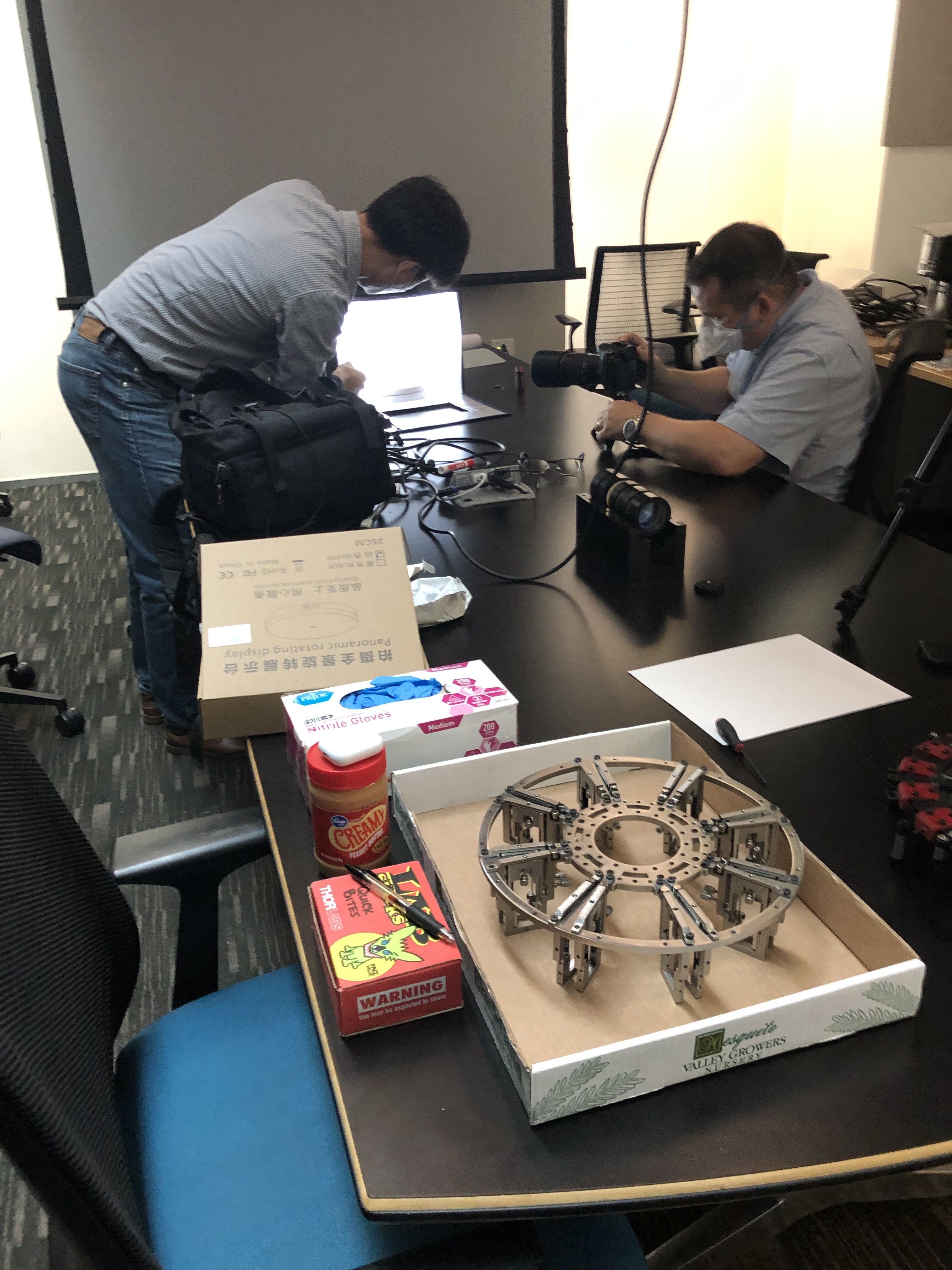
The completed KEYS frame assembly — each yoke precisely positions a MODE lens segment within the segmented optic
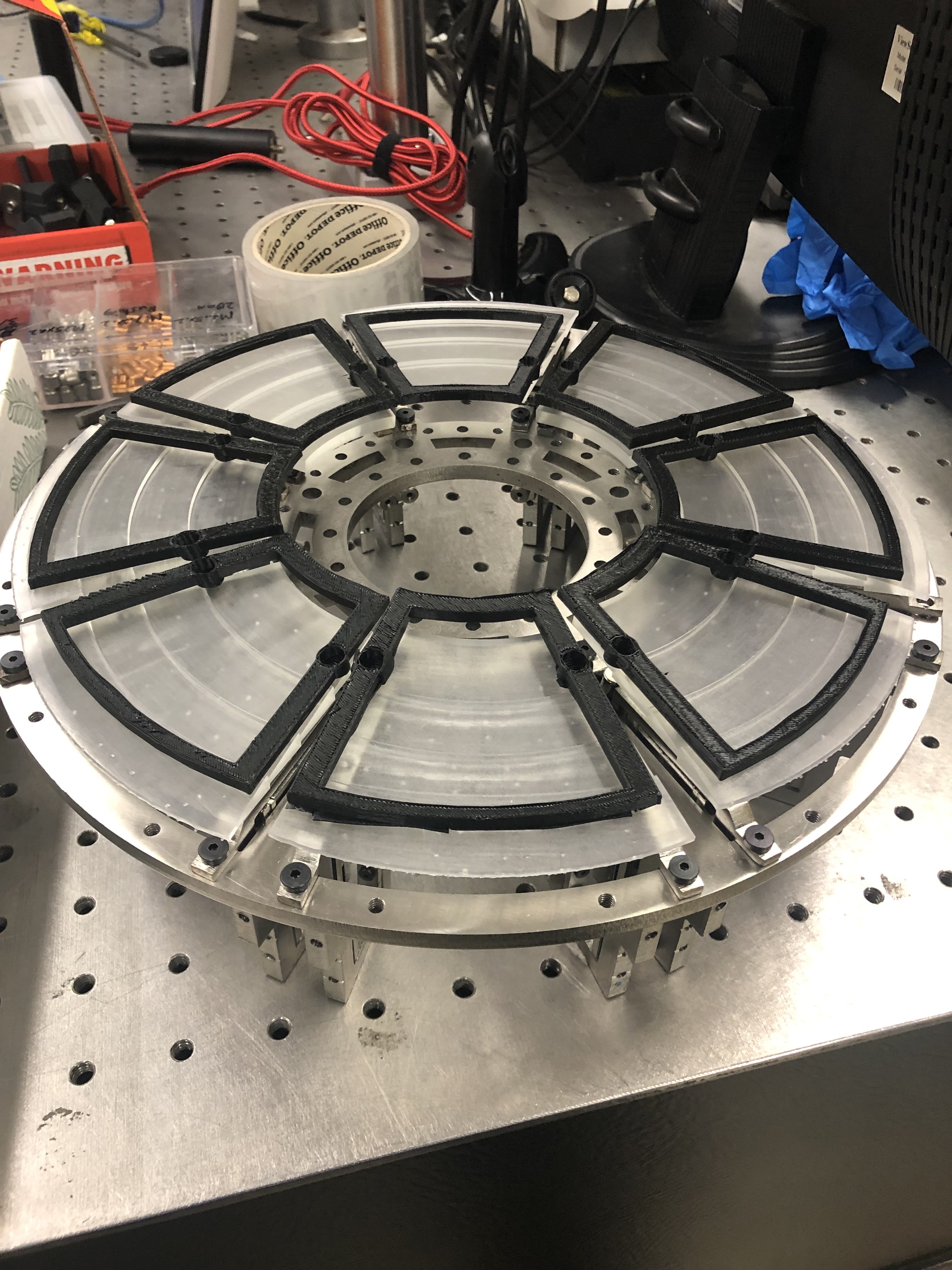
Each individual telescope in the array uses a segmented primary optic where multiple MODE lens segments must be precisely aligned and held in position. Pretty cool that I was able to join this project early on during 2022, and it marked a significant departure from my experience in only software related projects up to that date.
My Contributions
KEYS Mechanism Design
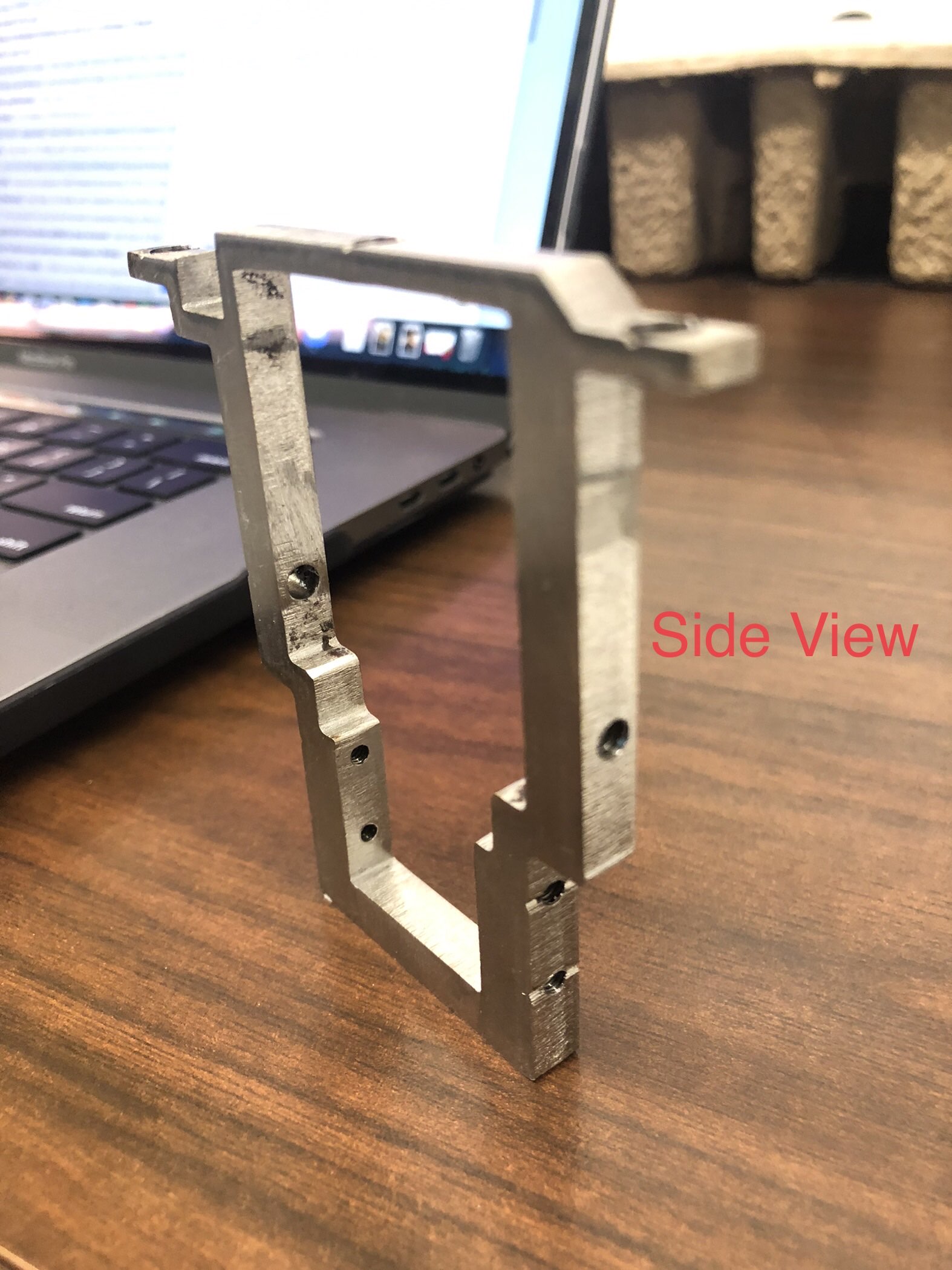
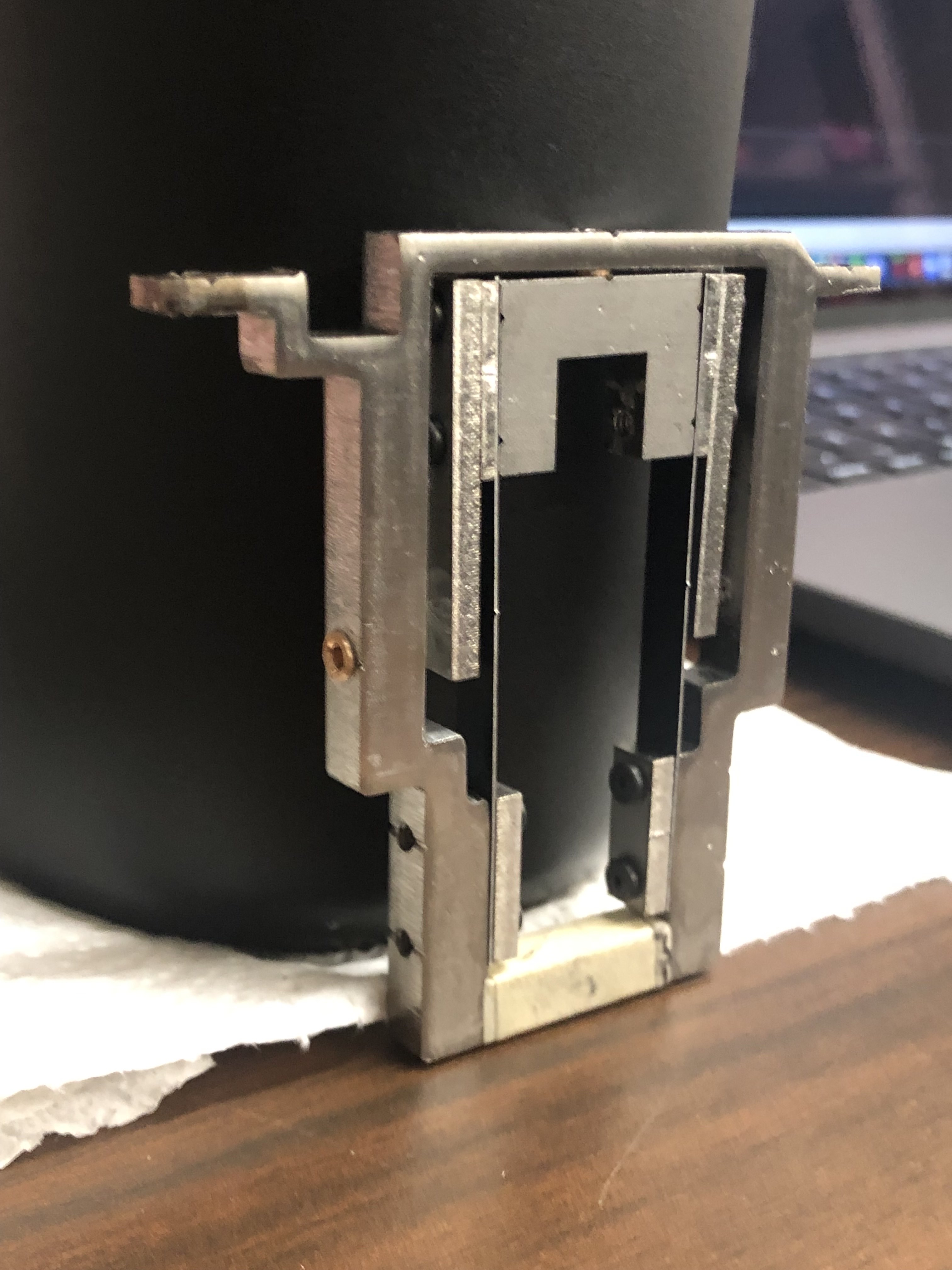
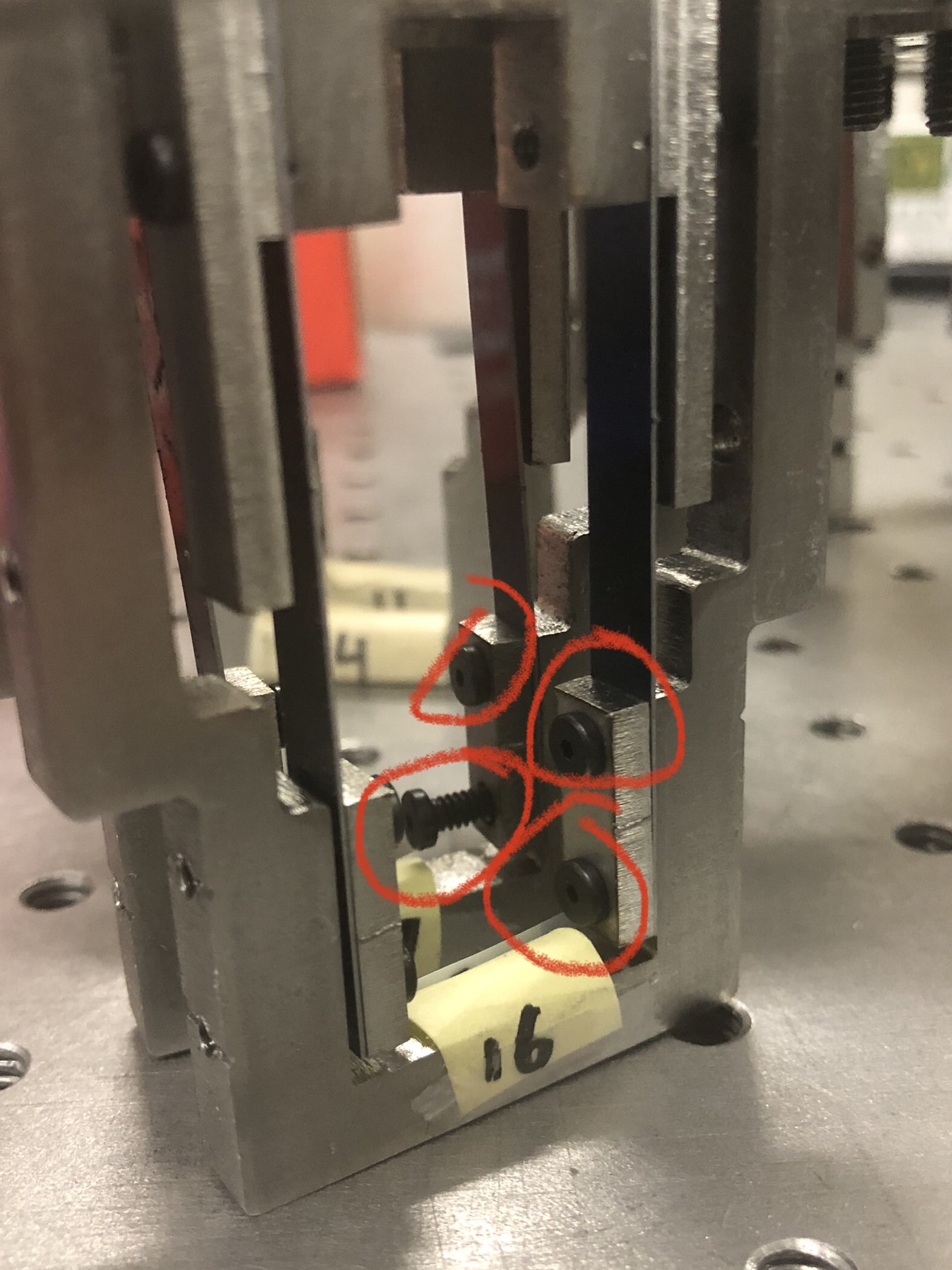
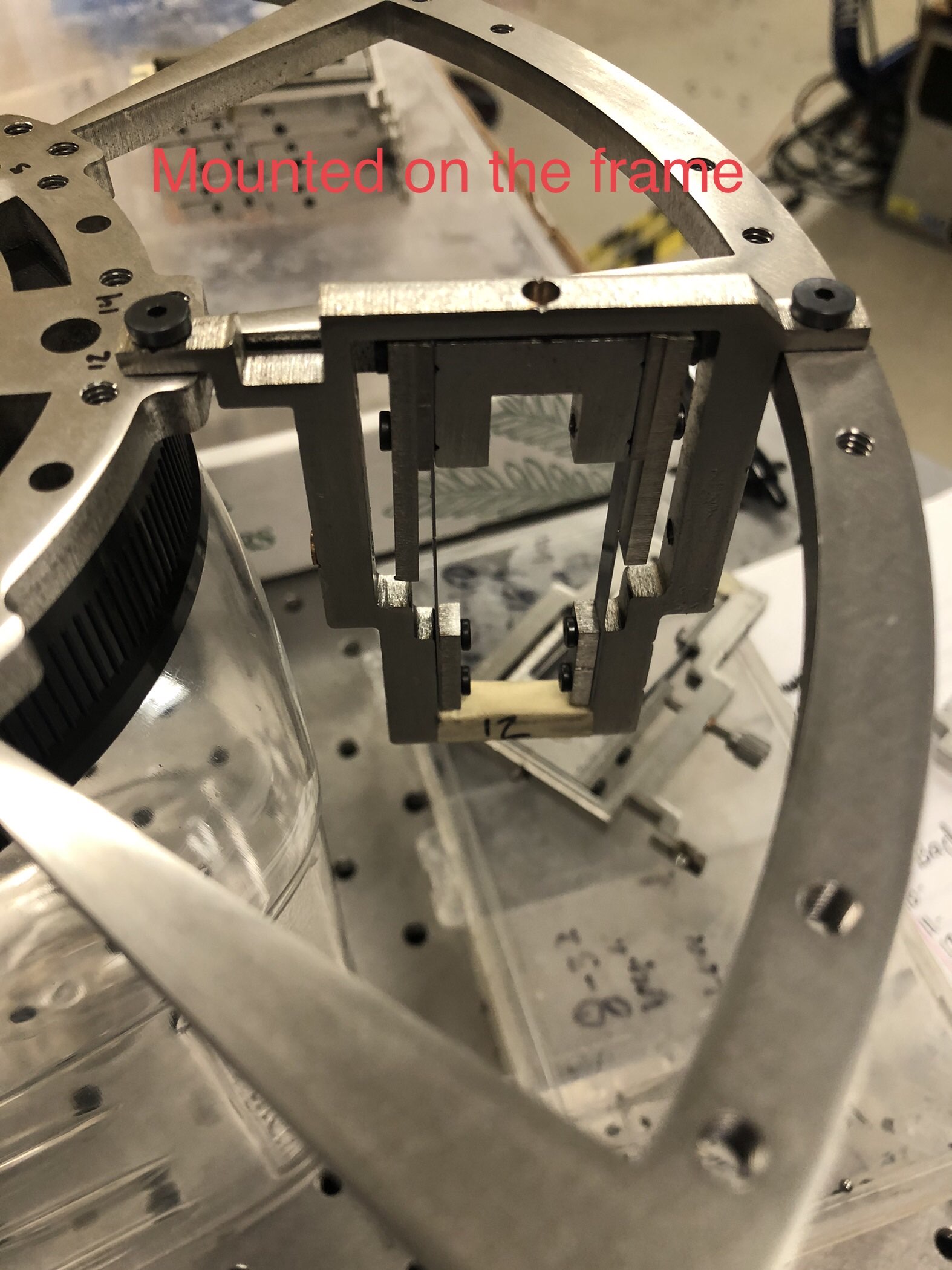
I helped design and produce the Kinematically-Engaged Yoke System (KEYS) in OnShape CAD. KEYS is a precision alignment mechanism that constrains each MODE lens segment in all six degrees of freedom. Each yoke is a machined aluminum component with carefully designed kinematic contact points that engage the lens segment in a repeatable, deterministic way. This means individual segments can be removed and re-installed without losing optical alignment, which is critical for both laboratory testing and eventual space deployment.
Adhesion Testing
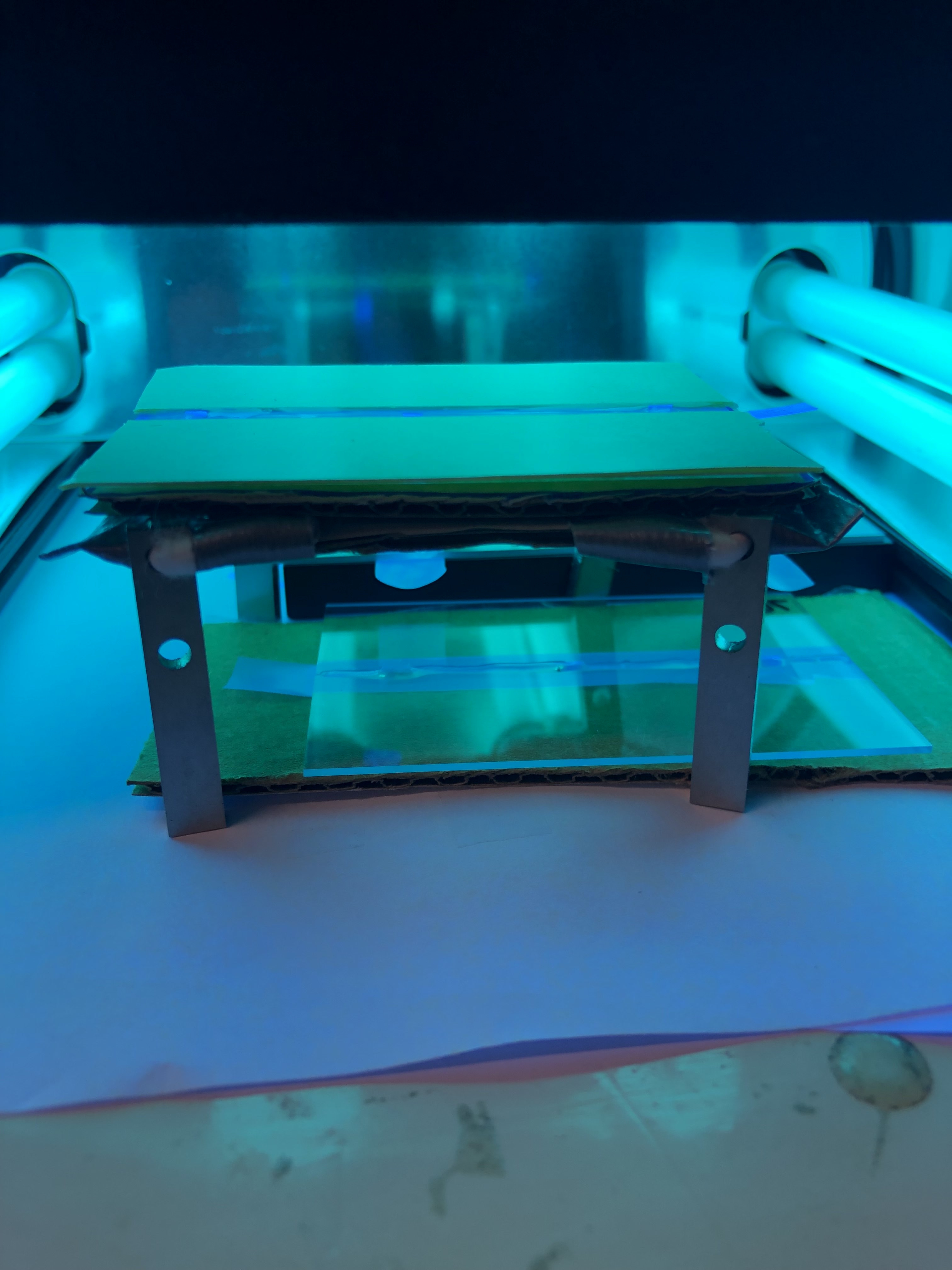
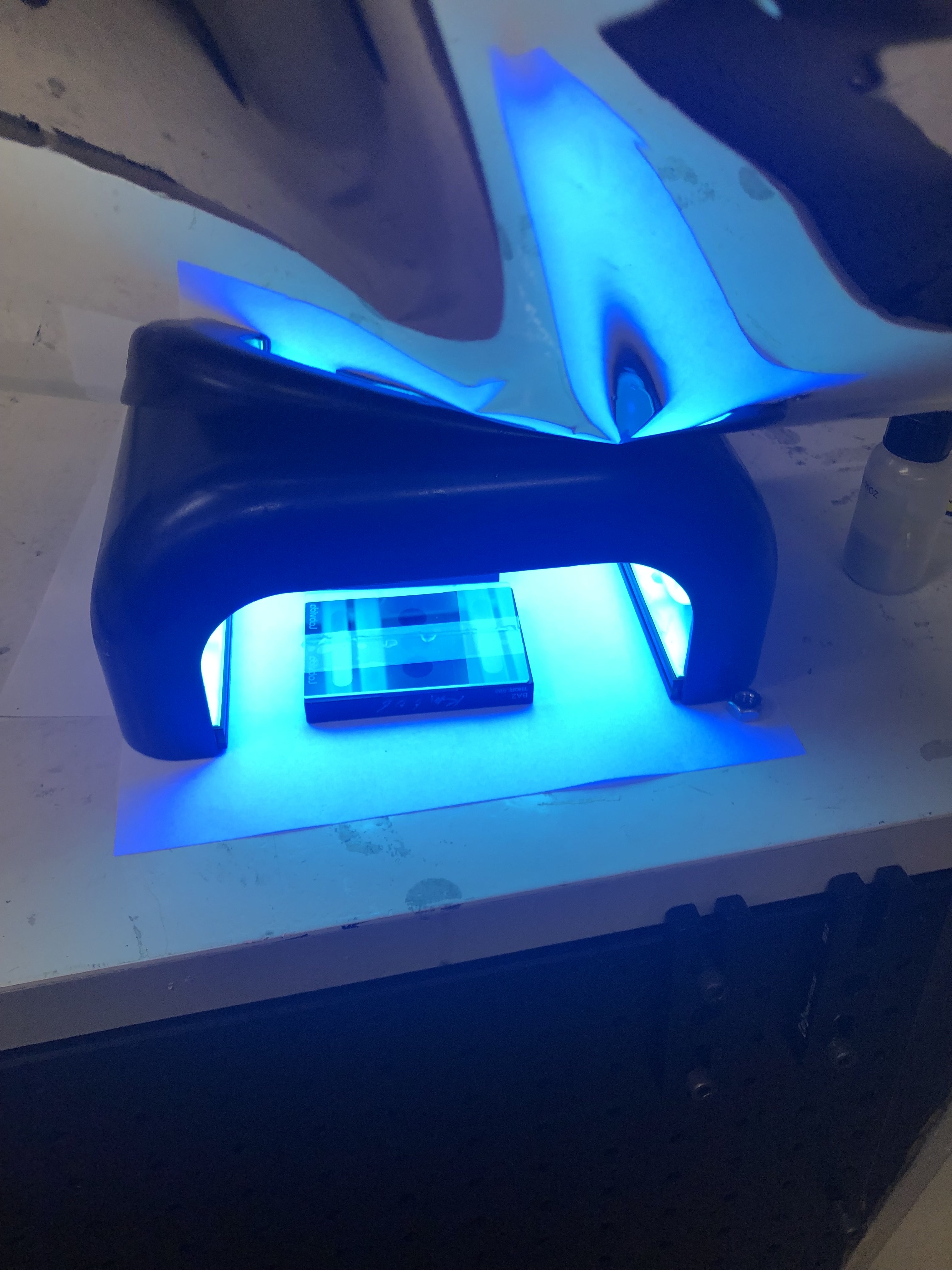
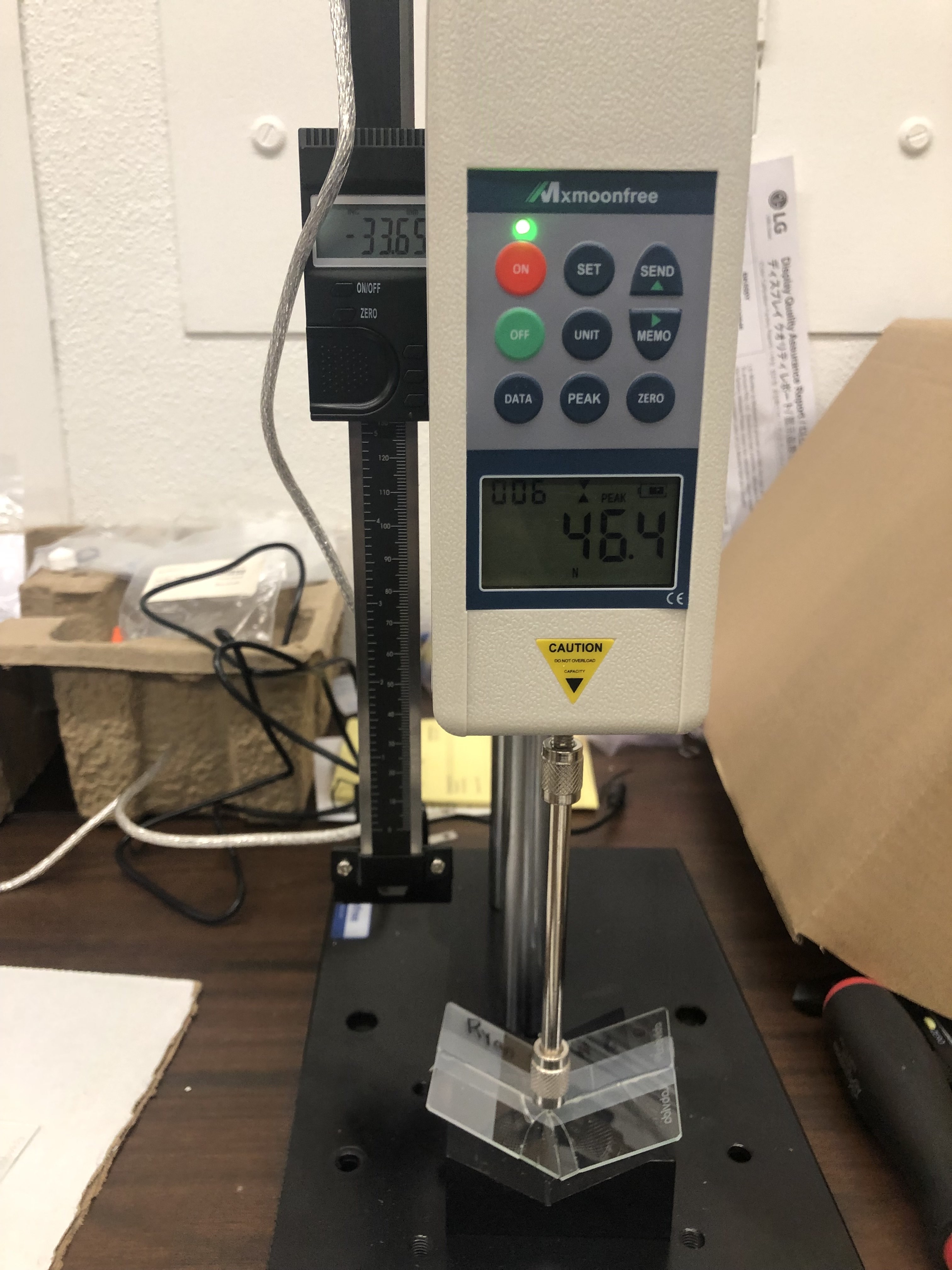
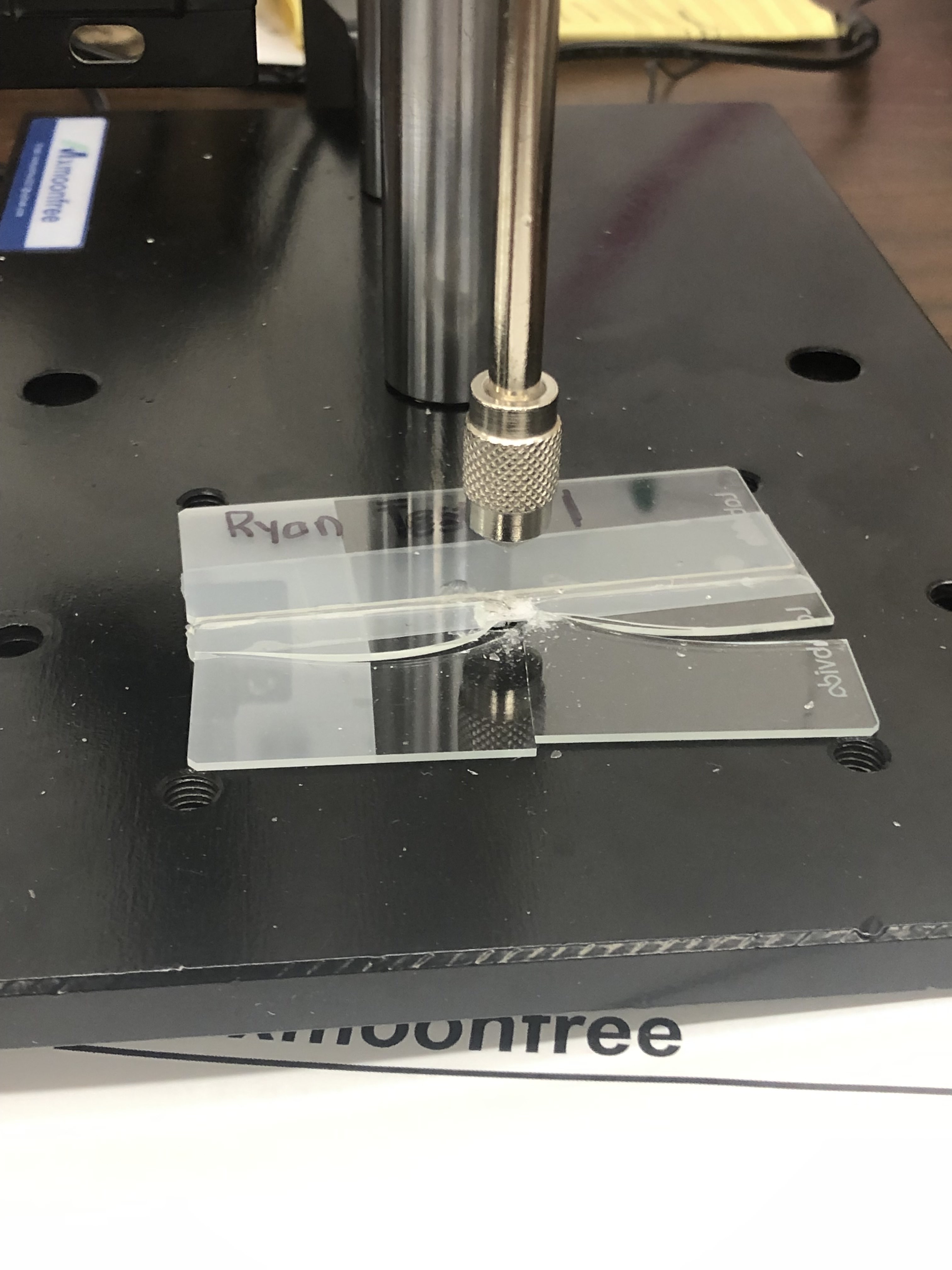
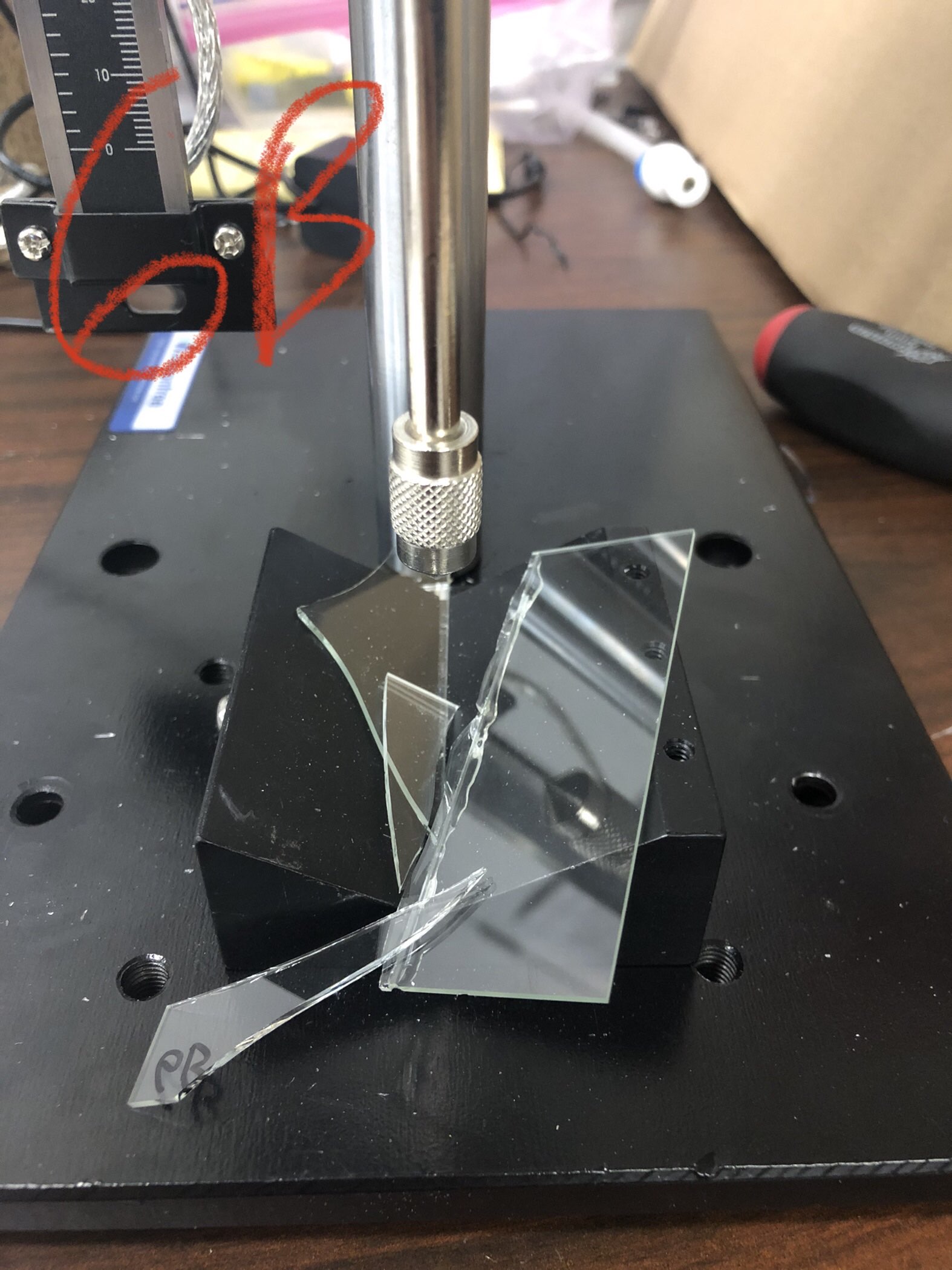
As a parallel study, I conducted adhesion testing to evaluate UV-curable adhesives for bonding optical substrates. Glass samples were bonded using UV-cured adhesive and cured under UV lamps, then destructively tested with a force gauge to measure shear bond strength in Newtons and characterize failure modes. This work informed adhesive selection for securing the MODE lens elements within the segmented optic assembly.
Prototype Assembly
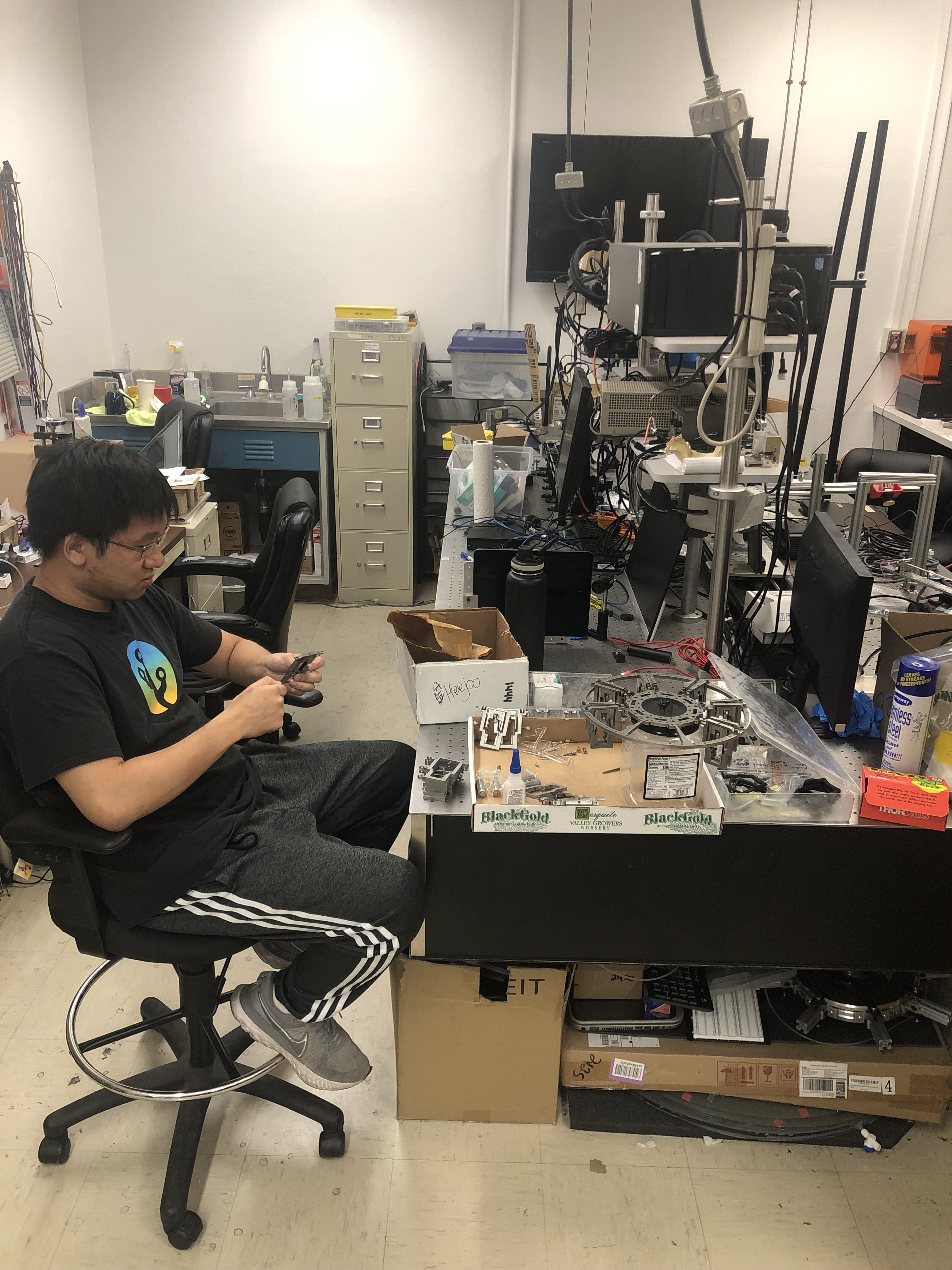
During the summer I was mostly tasked alone to assemble the prototype since the main opti-mechanical engineer (Marcos) was interning at JPL at that time over the summer. I worked closely with the optical testing team to assemble the full segmented optic prototype, iterating the KEYS design through multiple cycles from initial CAD models to final machined hardware. The completed prototype was used for laboratory characterization of the segmented optic's optical performance.
Build Timeline
Component Fabrication
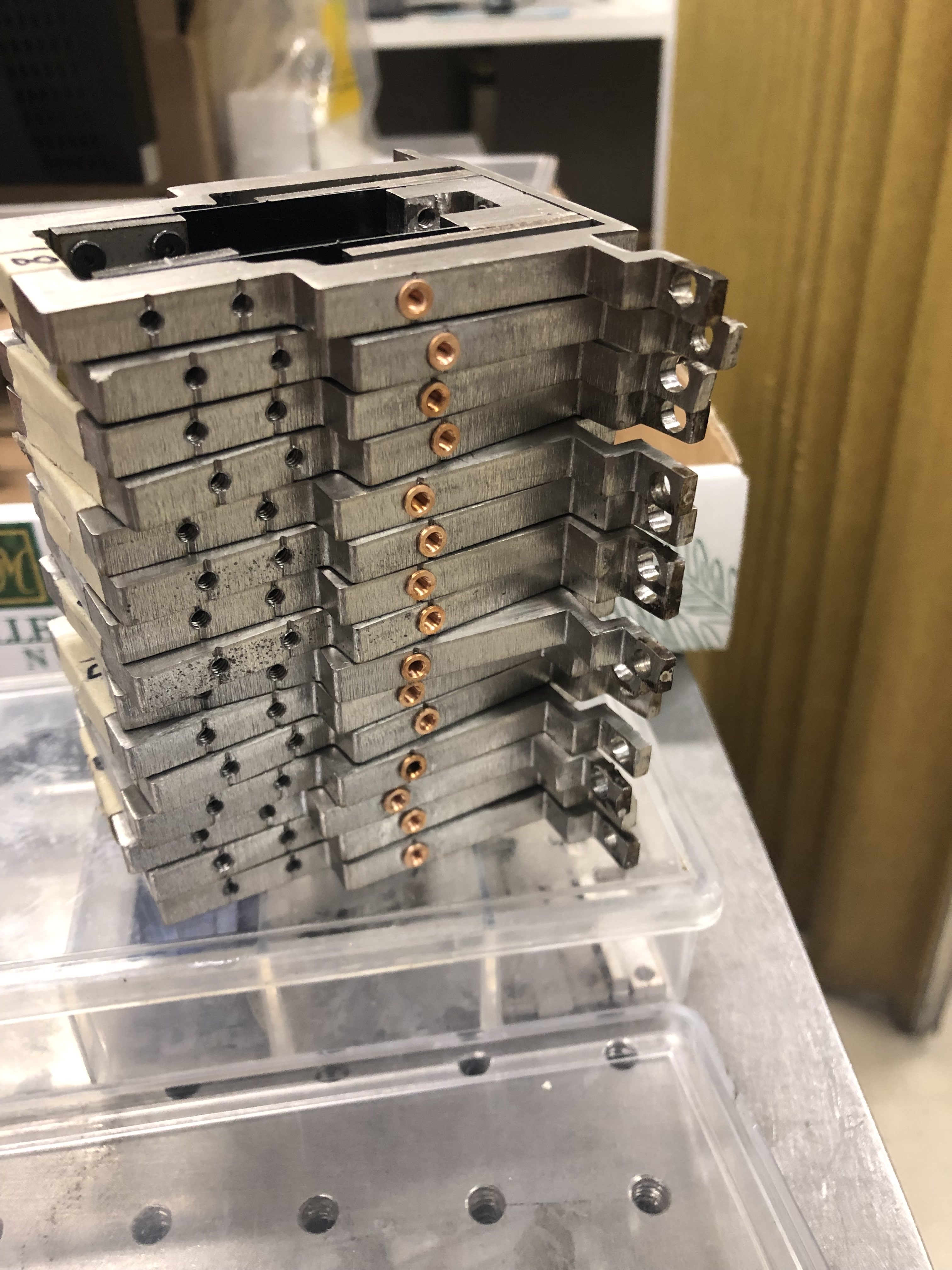
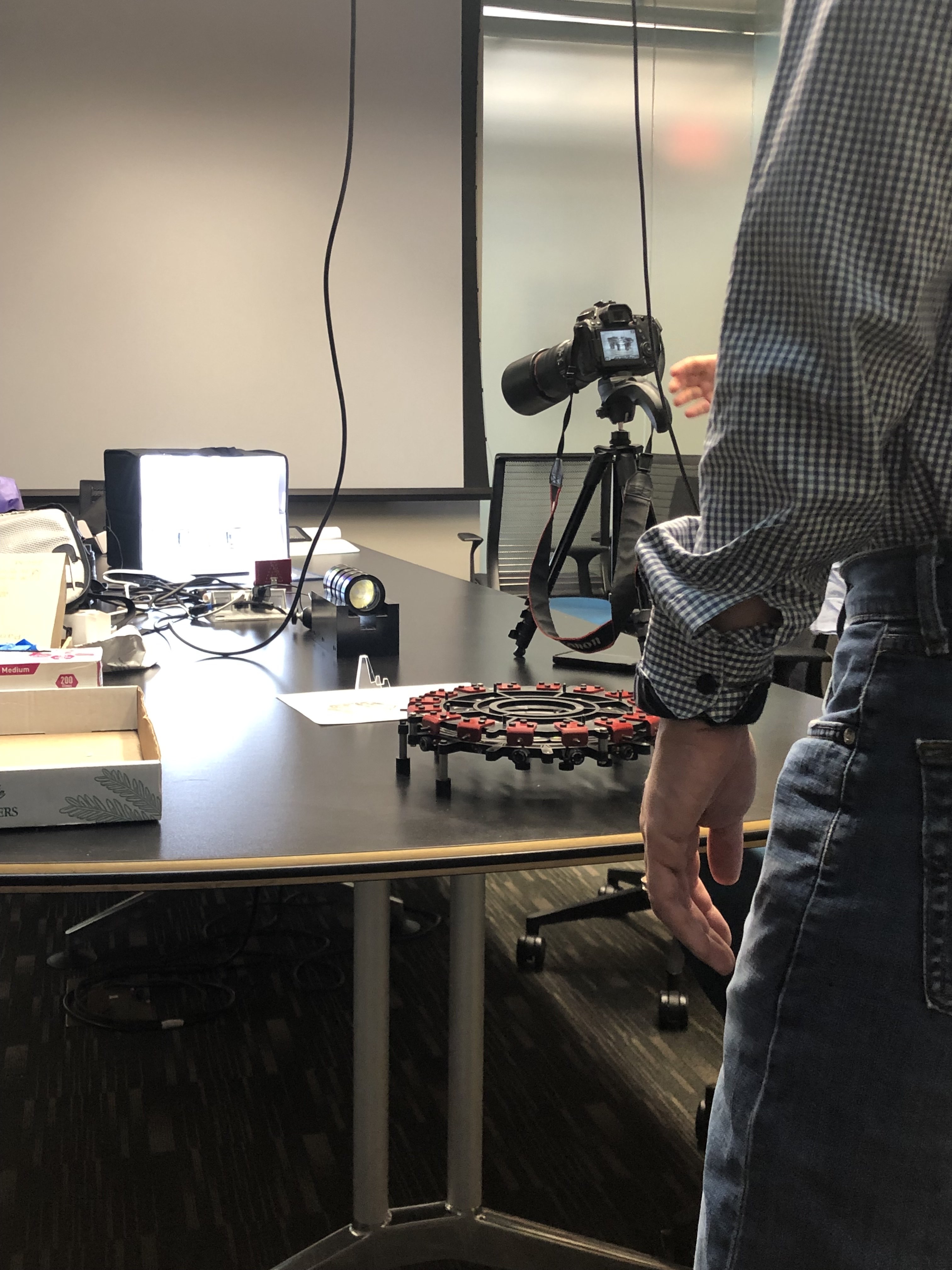
Individual KEYS yokes machined from aluminum. Tapped and hand assembled by me.
Adhesion Testing
Parallel study: testing UV-curable adhesives for bonding optical segments of MODE lens
Mounting & Integration
KEYS yokes installed onto the segmented optic frame
Lens Installation
MODE lens segments seated into the KEYS-aligned frame
Documentation & Testing
Prototype photographed and prepared for optical performance testing
What We Learned
- •The KEYS mechanism achieved repeatable kinematic alignment, enabling lens segments to be removed and re-installed without losing optical position
- •The yoke design successfully constrained segments in all six degrees of freedom while remaining compact enough for the segmented array geometry
- •UV-curable adhesives showed measurable shear bond strength on glass substrates, with destructive testing providing quantitative data for adhesive selection
- •The design went through multiple iteration cycles, with each prototype version informing mechanical tolerance and alignment improvements
- •This work contributed to two SPIE publications and supported the broader Nautilus mission development
Publications
Marcos A. Esparza, Ryan Luu, Heejoo Choi, Tom D. Milster, Daniel Apai, Daewook Kim
Proc. SPIE 12221, Optical Manufacturing and Testing XIV (2022)
Heejoo Choi, Marcos A. Esparza, Ryan Luu, Tom Milster, Daniel Apai, Daewook Kim
Proc. SPIE 12221, Optical Manufacturing and Testing XIV (2022)